PET transparent sheets play a vital role in modern industry, especially in food packaging. However, the production process and common problems associated with PET sheets are key factors affecting quality and production efficiency.

This article will explore the production process and common problems of PET transparent sheets in depth, and provide solutions to help readers better understand and cope with the challenges in PET material production.
Definition and Uses of PET
PET transparent sheets are transparent plastic sheets made from polyethylene terephthalate (PET) resin. PET resin is a common plastic material known for its high temperature resistance, chemical resistance and excellent mechanical strength. These transparent sheets have high transparency and excellent physical properties, making them widely used in various applications.
Especially in the packaging industry, PET transparent sheets are favored for their excellent transparency, durability and formability. In industries such as food, beverages and pharmaceuticals, PET sheets are often used to make transparent packaging containers such as bottles and jars.
Their transparency can show the contents of the product while providing good sealing and corrosion resistance to effectively maintain product quality. In addition, PET transparent sheets are also used in other fields such as electronic product housings and printing materials to provide high-quality packaging and visual display for various products.
PET production process
Raw material preparation
The production of PET sheets starts with raw material preparation. This includes selecting the right PET resin to ensure that the product has good transparency. In addition, additives such as tougheners and stabilizers are properly formulated according to product requirements to improve performance and stability.
Manufacturing process
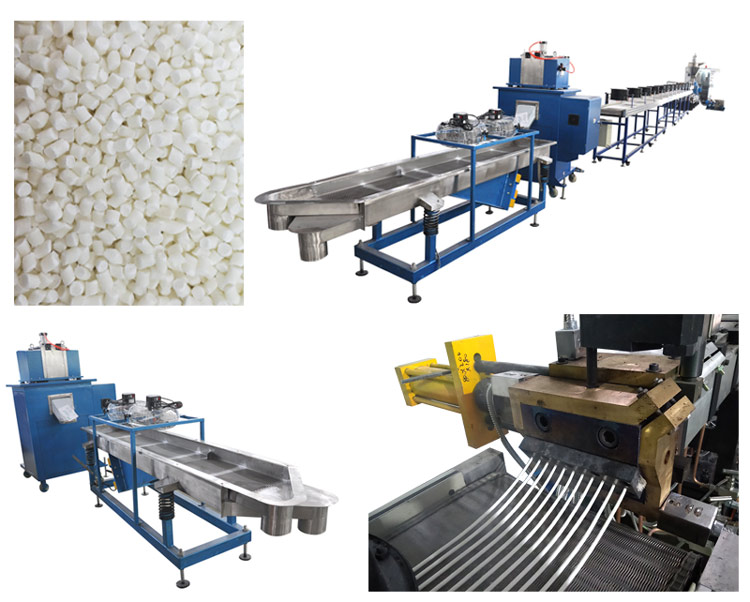
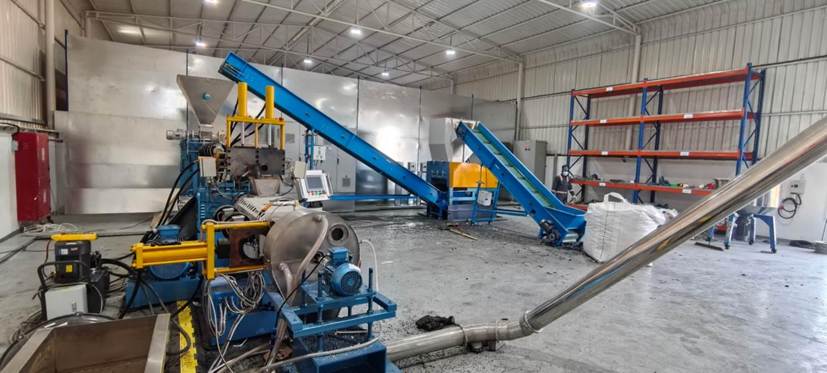
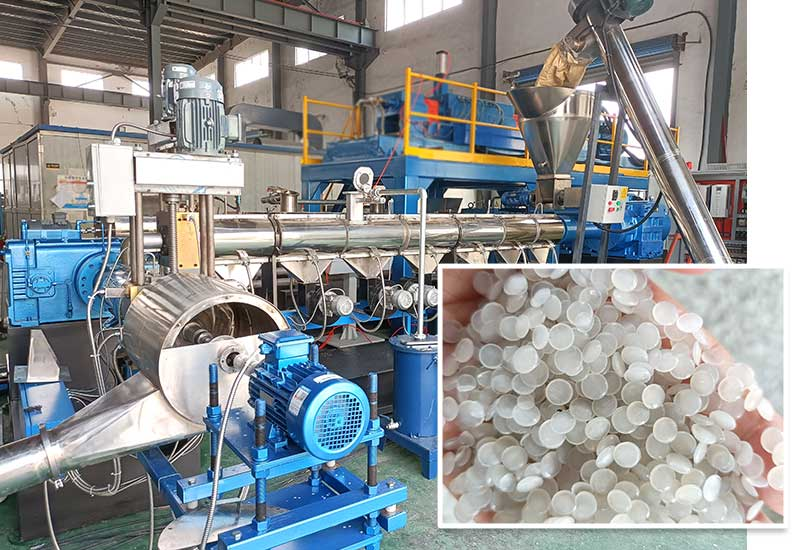
The manufacturing process of PET sheets generally includes spinning, extrusion and molding. First, the PET resin is heated to a molten state and extruded into a strand using an extruder. Subsequently, the extruded PET strand is further extruded through a machine to form a sheet. Finally, the extruded PET sheet is cooled and molded using a mold to obtain the shape and size required for the final product.
Post-processing
After production, the PET transparent sheet is post-processed to improve its performance and visual quality. This includes cooling, stretching and cutting steps. Initially, the molded PET sheet is cooled to solidify its shape. Then, as needed, the cooled sheet is stretched to improve its physical properties. Finally, the stretched PET sheet is cut into the required size to obtain the final product.
Common Problems and Solutions
Surface Quality Problems
Bubbles: Bubbles are a common surface quality problem in the production process of PET transparent sheets. In order to reduce the formation of bubbles, adjusting the extrusion process parameters, such as reducing the extrusion temperature and increasing the extrusion pressure, can enhance the fluidity of the material and prevent the formation of bubbles.
Burrs: Burrs affect the appearance and quality of the sheet, so measures need to be taken to reduce the generation of burrs. Optimizing the mold design and increasing the cooling time can effectively reduce burrs and improve the surface finish of the product.
Water mist: During the extrusion process, the cleanliness of the extruder equipment and the environment is crucial to avoid the generation of water mist. Keeping the extruder equipment clean and keeping the environment clean during the extrusion process can effectively reduce the occurrence of water mist.
Machine Performance Problems
Insufficient strength: If the PET sheet is not strong enough, increasing the stretching multiple during the stretching process can improve the sheet strength. In addition, adjusting the material formula and adding reinforcing agents can improve the strength.
Poor wear resistance: Selecting a PET resin with better wear resistance or coating a wear-resistant layer on the surface can effectively improve the wear resistance of the sheet. Adding appropriate additives during the production process can enhance the wear resistance of the sheet.
Poor compressive resistance: Optimizing extrusion process parameters, such as increasing molding pressure, can improve the compressive resistance of PET transparent sheets. For products with high strength requirements, you can consider using reinforcing materials or increasing product thickness to enhance compressive resistance.
Adjustment of process parameters
Temperature control: Accurate control of temperature during the production of PET sheets is essential to ensure product quality. By adjusting the heating and cooling equipment and optimizing the extruder temperature control system, the problems of the extruder are solved. It can effectively avoid excessively high or low temperatures.
Pressure regulation: According to the characteristics of PET resin and product requirements, adjust the pressure parameters of the extruder, effectively optimize the production process, and improve product quality and stability.
Speed optimization: Controlling the extrusion speed is essential to ensure product quality and production efficiency. By properly adjusting the operating speed of the extruder, the product size and surface quality meet the requirements, while improving production efficiency.

Application fields of PET
PET sheets have broad prospects in the packaging industry, especially in the fields of food, beverages, and medicines. As consumers’ requirements for product quality and appearance continue to increase, transparent PET packaging containers will become mainstream. Transparent packaging not only shows the appearance and quality of the product, but also enhances the sales appeal of the product.
Conclusion
In summary, PET transparent sheets play a vital role as a key packaging material in modern industry. By fully understanding their production processes and common problems, and introducing advanced thermoforming technology, we can provide customers with high-quality customized solutions. We look forward to working hand in hand with our customers to create a better future for the packaging industry and achieve greater success.