A Sustainable Approach to Eco-Friendly Packaging
Traditional polymer manufacturing processes, whether derived from fossil fuels or renewable resources, often come with a significant CO2 footprint due to their complex and resource-intensive nature.
In addition, many food containers and wrappers contain harmful plastics derived from fossil fuels that do not biodegrade and break into tiny microplastics that pollute the environment and harm marine ecosystems. In contrast, nature has already developed efficient processes for polymer production.
Algae, having evolved billions of years ago, possess the ability to synthesize polymers using sunlight, CO2, saltwater, and nutrients in a highly efficient manner. This natural polymer synthesis itself even results in a negative CO2 footprint as it actively absorbs CO2 from the atmosphere.
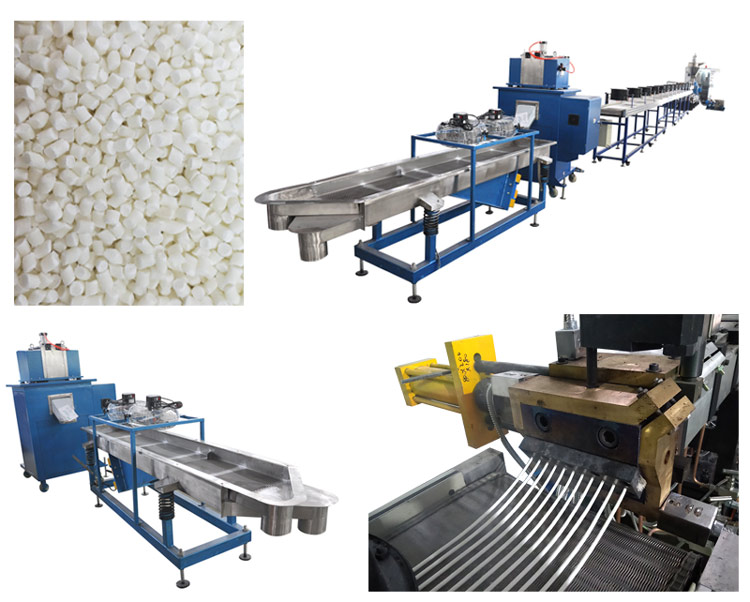
The idea behind this approach involves directly processing seaweed into polymer material through extrusion, effectively converting seaweed into desired products like pellets, strands, films, or 3D-moulded parts while retaining all the components of seaweed in the final product.
This streamlined process minimizes the number of steps required for production, potentially leading to a significantly reduced CO2 footprint throughout the entire lifecycle of the material. The important advantage compared to other polymer materials is that the polymer synthesis is done by nature. Hence no external resource and energy intense polymer synthesis or extraction is necessary.
Due to its simplicity and low raw material costs, seaweed-based polymer material not only offers an environmentally friendly alternative to certain plastics but also holds the promise of being economically competitive.
A Sustainable Packaging Solution
The packaging used to wrap the hamburgers, fries and chips we order from fast food establishments is typically laminated with a thin layer of plastic in order to make it grease-resistant. However, this poses a problem in terms of recycling, as this layer is typically made of synthetic polymer, which is derived from petroleum, such as polyethylene or polypropylene. This does not biodegrade and it breaks up into smaller pieces called microplastics.
From films to packaging for small technical parts, seaweed-based polymer materials open up possibilities for sustainable packaging solutions. Theoretically, these packaging materials can be recycled to produce new products directly or even converted into fertilizer, completing the circular economy loop. However, current recycling loops for seaweed-based packaging are yet to be established. In the absence of such recycling systems, the best option remains biological recycling with organic waste.
Towards Biodegradability and Water Resistance
A number of conditions have to be met for biodegradable and compostable plastics to have positive environmental impacts. First, the biomass used to produce biobased plastics must be sustainably sourced. Second, the biodegradable plastics must be approached with caution and should not be used as an excuse to litter. Lastly, industrially compostable plastics will be allowed for only some products and should be used only when they have environmental benefits, they do not negatively affect compost quality and there is a proper biowaste collection and treatment system in place.
While certification of biodegradability is still underway, the composition of seaweed-based materials, derived from natural components, suggests good biodegradability. Initial tests have demonstrated successful dissolution in water and home composting, further supporting the assumption of biodegradability. Ongoing efforts are being made to enhance the water resistance of the algae-based material, ensuring its versatility in various applications.
A Promising Future for Seaweed-Based Polymers
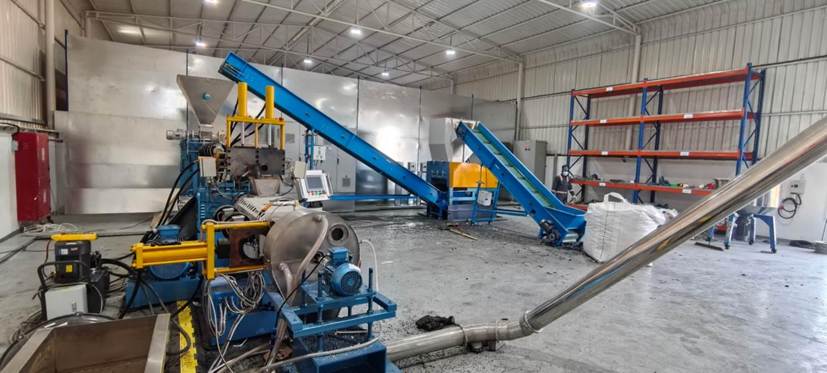
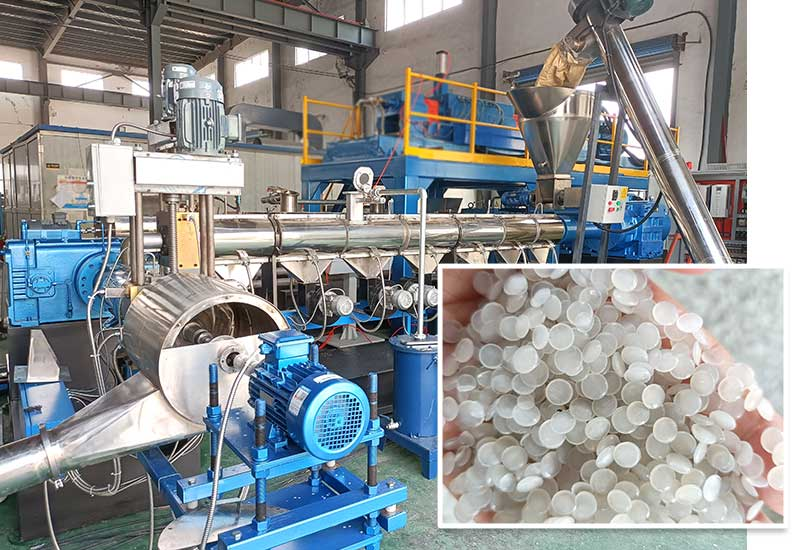
With heat, the seaweed-based resin melts and stretches just like traditional thermoplastics. This enables it to work with existing plastic manufacturing systems, unlocking a streamlined path to impact at scale.

Biodegradable Plastic Extrusion Machine
The direct processing of seaweed into polymer material through extrusion presents a promising avenue for sustainable and eco-friendly packaging solutions. As work continues to optimize the material and explore its potential applications, researchers and innovators are excited about the possibilities that seaweed-based polymers offer to reduce environmental impact and promote a more circular economy.