When developing new 3D printing filaments, many companies assume they need to replace the entire production line. In reality, that’s not always the case.
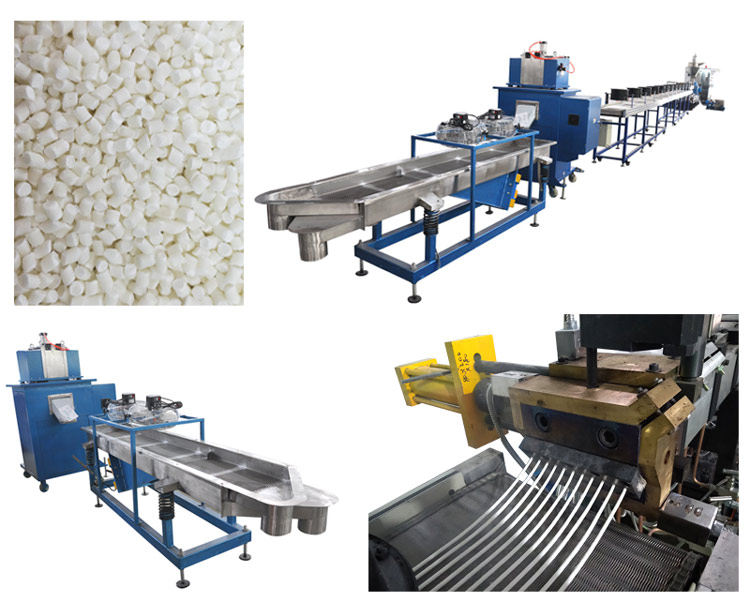
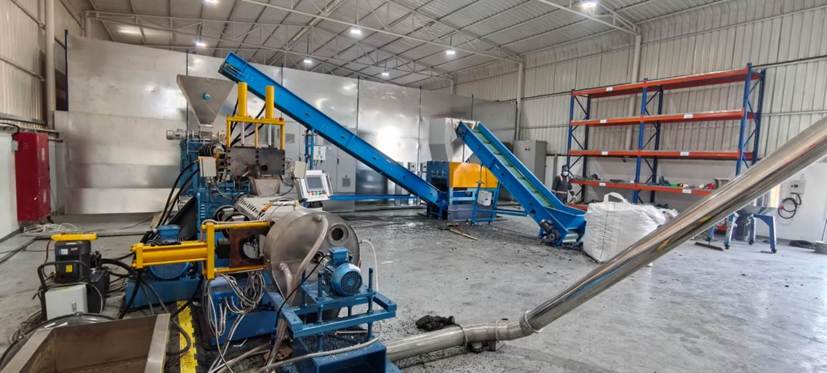
A typical laboratory filament line includes several key components: a twin screw extruder, cooling system, laser diameter gauge, haul-off unit, and winder. While all of these machines contribute to stable production, they do not age or limit your process in the same way.
In many R&D laboratories and filament production facilities, the downstream equipment remains in good condition for years. The part that often determines whether you can process a new material successfully is the extruder.
If you’re planning to develop TPU, PETG, PA, carbon fiber reinforced filaments, glass fiber compounds, or other engineering materials, upgrading the extrusion section may be a more practical and cost-effective solution than replacing the complete line.
The extruder is responsible for melting, mixing and building stable pressure. Its screw configuration, L/D ratio, venting design and feeding system directly influence dispersion, residence time and melt stability. A laser diameter gauge monitors filament size, while the haul-off and winder help maintain consistent diameter and winding quality. These downstream units are essential for quality control, but they cannot compensate for insufficient plasticizing or poor mixing inside the extruder.
For this reason, many filament manufacturers choose to keep their existing measuring and winding equipment while replacing only the laboratory extruder when expanding into new materials or improving R&D capability.
Another important consideration is choosing an extruder based on the material rather than simply the production capacity. PLA may require a completely different screw configuration from TPU or carbon fiber reinforced nylon. If your future development plans include multiple polymers, selecting a modular laboratory twin screw extruder provides much greater flexibility than purchasing a machine designed for only one application.
This approach is particularly suitable for polymer R&D laboratories, filament manufacturers, universities, material developers and companies developing new printable compounds. Instead of replacing an entire production line, they can upgrade the core processing unit while continuing to use compatible downstream equipment already available in their facility.
At Kairong Group, we focus on laboratory twin screw extrusion systems for polymer compounding and material development. Whether you’re building a new laboratory line or upgrading an existing one, selecting the right extruder is often the first step toward better filament quality and more efficient product development.