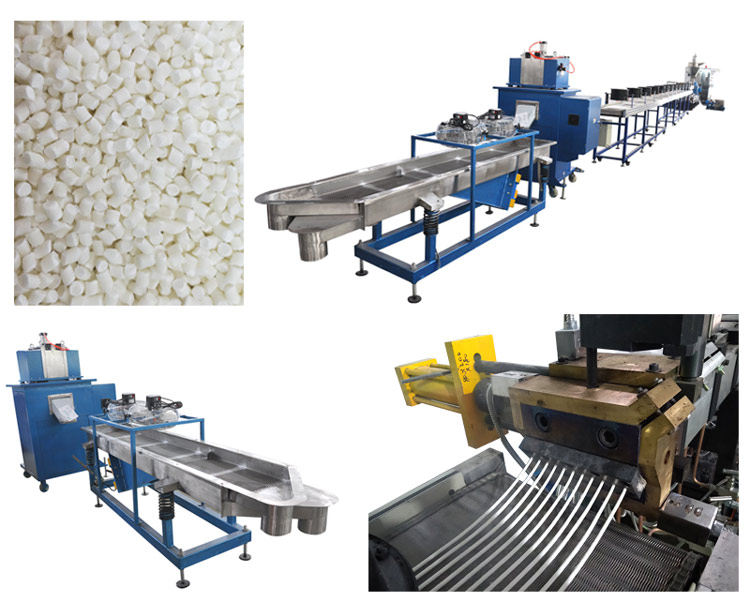
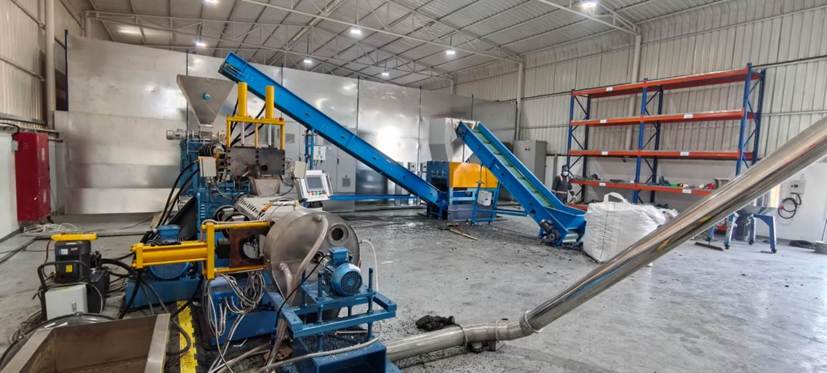
You will see many important parts in a plastic recycling washing line. These include the shredder, crusher, bale opener, metal separator, belt conveyor, friction washer, sink-float tank, rinse tank, dehydrator, centrifugal dryer, and air conveying system. Each part helps clean and get plastics ready during washing. This makes recycling work well.
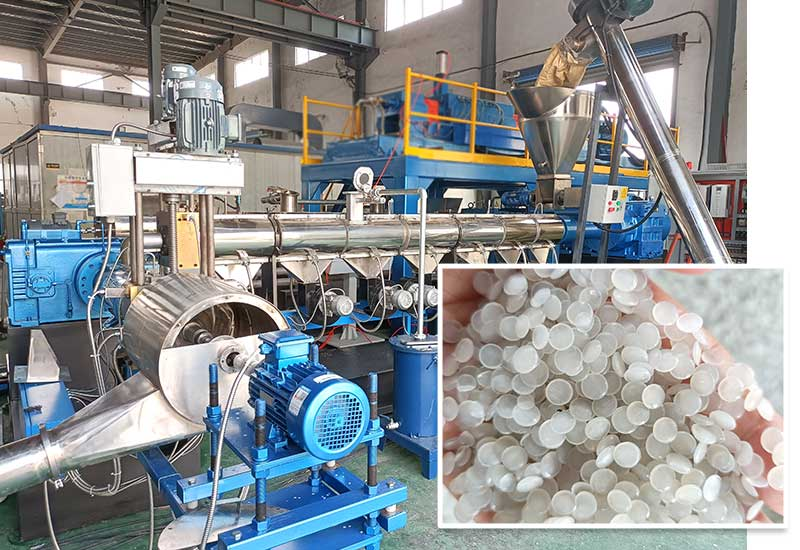
What Is a Plastic Recycling Washing Line?
Purpose and Function
A plastic recycling washing line is a set of machines that help you clean and prepare plastic waste for reuse. You use this system to turn dirty bottles and containers into clean plastic flakes. These flakes are important for bottle flake recycling. When you use a washing line, you make sure the plastic is free from dirt, labels, and other unwanted materials. This step is key in the recycling process because clean plastic leads to better products.
How It Works
You start by feeding plastic waste, like used bottles, into the washing line. The machines break the plastic into smaller pieces. Next, the system washes these pieces to remove dirt and labels. The washing line uses water and special equipment to separate clean plastic from things that cannot be recycled. After washing, the line dries the plastic flakes. These clean flakes are ready for bottle flake recycling or other uses.
Here is a simple list of steps in the recycling process:
- Collect plastic waste.
- Break it into small pieces.
- Wash and clean the pieces.
- Dry the clean flakes.
- Use the flakes for new products.
You can see how each step in the plastic recycling washing line helps you turn waste into something useful. This process is a big part of the recycling process and helps reduce pollution.
Main Components of Plastic Washing Line
Bale Opener
You start the plastic washing line with the bale opener. This machine helps you break apart large bundles of plastic bottles or containers. When you receive plastic waste, it often comes packed tightly in bales. The bale opener loosens these bales so the bottles can move easily into the next machine. You save time and make sure the plastic flows smoothly through the rest of the process.
Shredder
After opening the bales, you use the shredder. The shredder cuts big plastic pieces into smaller chunks. You need smaller pieces because they are easier to clean and process. When you shred the plastic, you also help the next machines work better. Shredded plastic fits well on the conveyor and moves quickly through the plastic washing line.
Crusher
Next, you use the crusher. The crusher breaks the shredded plastic into even smaller pieces. You want these pieces to be just the right size for washing. Smaller pieces mean more surface area, so the washing machines can clean them better. You also make sure the plastic fits into the tanks and dryers later in the plastic washing line.

Metal Separator
You do not want metal in your plastic. The metal separator removes any metal pieces from the plastic waste. This step protects the machines in the plastic washing line from damage. You also make sure the final product is pure plastic, which is important for making pp bottle flakes and other recycled products.
Belt Conveyor
The belt conveyor moves the plastic from one machine to the next. You do not have to move the plastic by hand. The conveyor keeps the plastic washing line working smoothly. You can see the plastic travel along the belt, passing through each step. This helps you keep track of the process and spot any problems quickly.

Friction Washer
You use the friction washer to scrub the plastic pieces. This machine spins the plastic and uses water to remove dirt, glue, and labels. You get cleaner plastic flakes because the friction washer works like a giant washing machine. Clean flakes are important for making high-quality pp bottle flakes.
Sink-Float Tank
The sink-float tank helps you separate different types of plastic. You fill the tank with water and drop the plastic pieces in. Some plastics float, and some sink. You can easily remove the floating pieces and keep only the ones you want. This step is very important for sorting plastics and making sure you get the right material for pp bottle flakes.
| Plastic Type | What Happens in Sink-Float Tank |
| PET | Sinks |
| PP/PE | Floats |
Rinse Tank
After washing and sorting, you use the rinse tank. This tank gives the plastic a final clean. You remove any leftover soap, dirt, or small labels. The rinse tank makes sure the plastic is as clean as possible before drying. Clean plastic helps you make better recycled products.
Dehydrator
You need to dry the plastic after washing. The dehydrator spins the plastic pieces very fast. Water flies off, and the plastic gets much drier. You use the dehydrator before the final drying step. This helps you save energy and time in the plastic washing line.

Centrifugal Dryer
The centrifugal dryer finishes the drying process. It spins the plastic flakes at high speed. You get dry, clean flakes that are ready for recycling. Dry flakes are important for making strong pp bottle flakes and other recycled items. You avoid problems like mold or clumping by using this dryer.
Air Conveying System
You use the air conveying system to move the dry plastic flakes to storage or packing. This system uses air to blow the flakes through pipes. You do not need to touch the flakes or move them by hand. The air conveying system keeps the plastic washing line clean and fast. You can quickly collect the finished pp bottle flakes and get them ready for the next step in recycling.

You see how each part of the washing line helps you turn plastic waste into clean flakes. When you understand these machines, you make better choices for recycling. Knowing the basics lets you spot good equipment and helps you start your journey in plastic recycling with confidence.